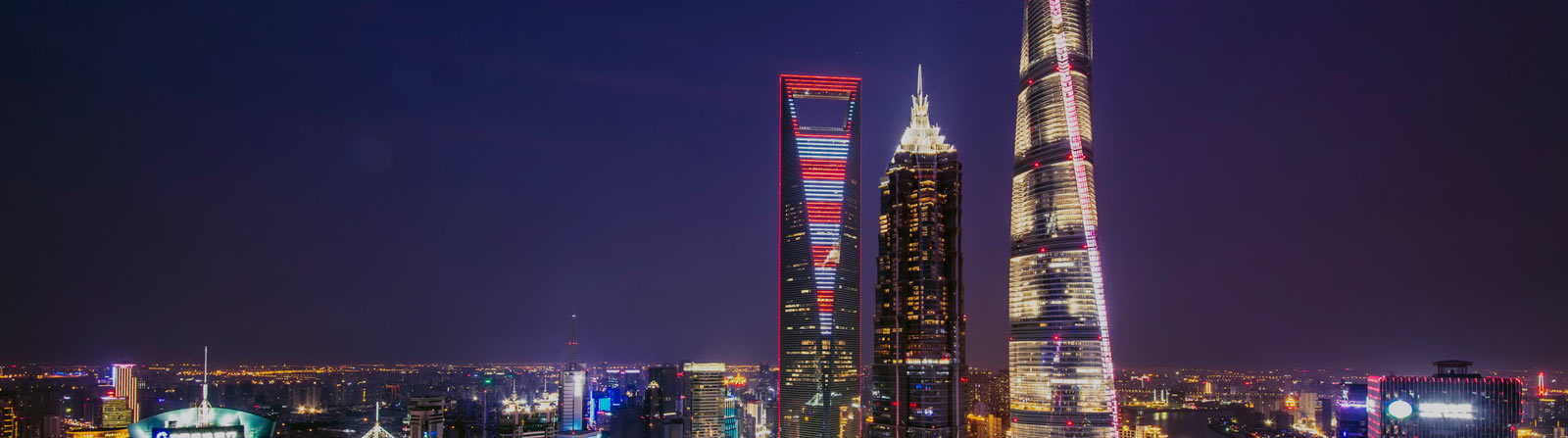
Architectural lighting design requires led neon flex to do more than create a bright line. It must match the building shape, viewing distance, color plan, installation surface, and long-term operating environment. When the wrong product is selected, the final project may show uneven brightness, visible dark spots, poor curve performance, color difference, or early failure after installation.
The problem often happens because architectural projects use long continuous lines. Long runs can create voltage drop, which reduces brightness at the far end of the lighting line. Basic electrical principles show that lower current reduces wiring loss, so 24V LED Neon Flex is usually more stable than 12V in longer installations.
Outdoor architectural lighting also faces rain, dust, UV exposure, and temperature changes. According to IEC 60529, IP65 protects against dust and water jets, while IP67 provides stronger protection against temporary immersion under defined test conditions. For building facades and exterior outlines, waterproof protection should match the exposure level.
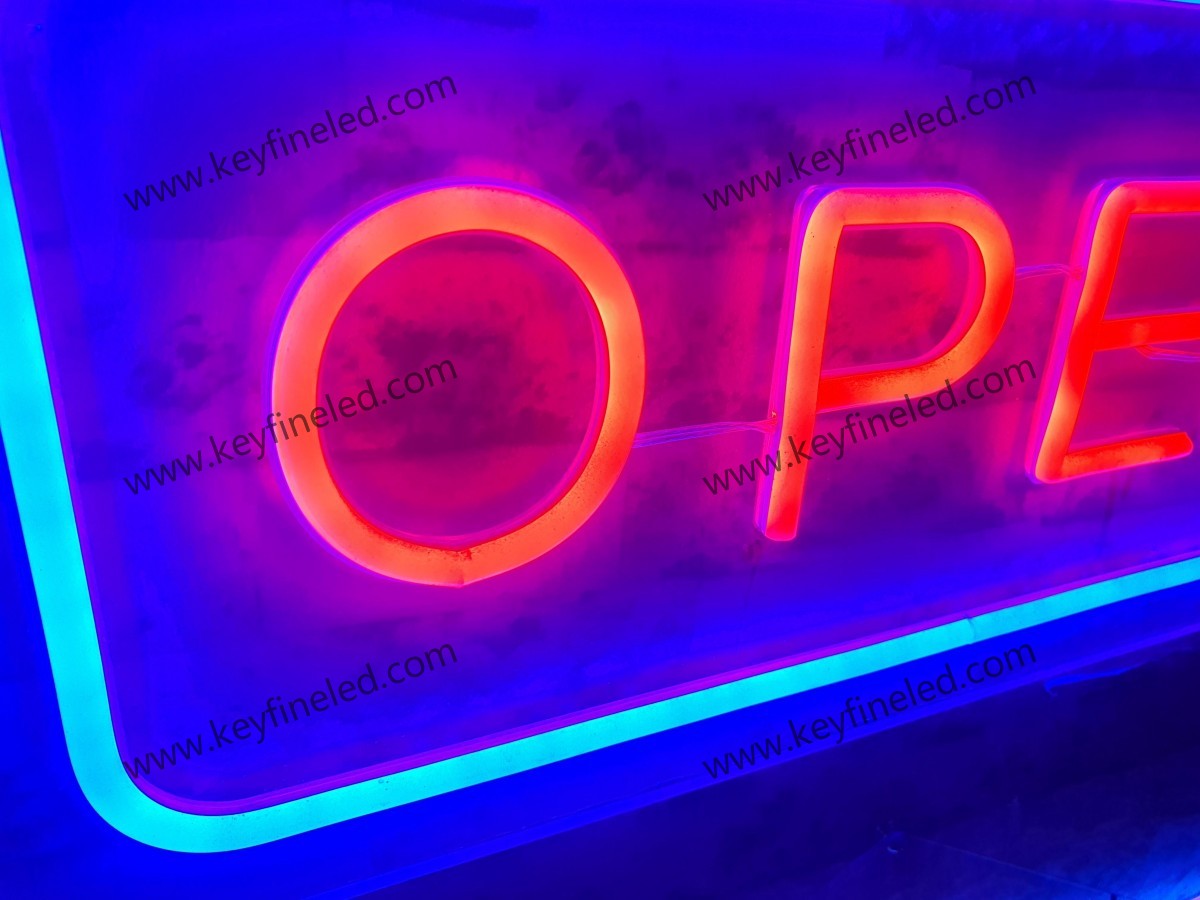
A good architectural lighting solution starts with product structure. The LED neon flex should offer smooth light output, stable color, flexible bending, and reliable housing. For building outlines, facade lines, bridges, hotels, commercial complexes, and landscape structures, the lighting must remain consistent from close view and long-distance view.
Voltage selection is important. For short indoor lines, 12V may be enough. For long architectural lighting design, 24V LED neon flex is more suitable because it helps reduce voltage drop and improves brightness consistency across longer runs.
Material durability also affects project results. Outdoor-grade silicone housing offers better flexibility, UV resistance, and light transmission stability. Poor materials may become yellow, hard, or cracked after long exposure, affecting both appearance and lifespan.
Keyfine has nearly 20 years of LED lighting manufacturing experience, covering LED neon flex, led strip lights, rainbow tubes, and decorative lighting products. With integrated production, design, and quality control, Keyfine can support architectural lighting projects with voltage planning, waterproof structure, color matching, cutting length, and customized supply for bulk orders.
The first step is to confirm the lighting purpose. Building outline lighting needs clear continuous lines. Facade lighting needs stable color and outdoor durability. Interior architectural lighting needs smooth brightness and comfortable visual effects. Different design purposes require different brightness, color temperature, and bending structures.
The second step is to choose the bending type. Top-bend LED neon flex is suitable for straight outlines, wall edges, and signage-style shapes. Side-bend LED neon flex is better for curved building contours, letters, and creative linear designs. Correct bending direction helps reduce installation stress and improves final appearance.
The third step is to select voltage and power layout. For large architectural lighting projects, 24V LED neon flex is often recommended. Power supplies should not run at full load. Lighting engineering practice commonly keeps power supply load around 70 to 80 percent of rated capacity to improve stability and reduce heat stress.
The fourth step is to confirm waterproof rating. Indoor projects may use lower protection, while outdoor building applications should consider IP65 or IP67 waterproof LED neon flex. Connectors, end caps, cables, and power supplies should also be protected as part of the full system.
Selection Factor | Recommended Choice For Architectural Lighting
Voltage | 24V for long building outlines
Waterproof Rating | IP65 for protected areas, IP67 for exposed outdoor use
Bending Type | Top-bend for straight lines, side-bend for curves
Material | UV-resistant silicone housing for outdoor projects
Application | Match with facade, bridge, hotel, or landscape design
Keyfine provides LED neon flex solutions for architectural lighting, commercial lighting, signage lighting, and outdoor decorative projects. For OEM/ODM customization, voltage, color temperature, waterproof rating, bending direction, cutting length, and packaging can be adjusted according to project requirements.
Selecting LED neon flex for architectural lighting design requires attention to voltage stability, bending direction, waterproof protection, material durability, and visual consistency. A successful project should look clean during the first installation and remain stable after long-term use.
For building facades, hotel outlines, commercial complexes, bridges, and landscape structures, 24V waterproof LED neon flex is often a practical choice. Keyfine supports architectural lighting projects with manufacturing experience, customized solutions, and stable supply capability for large-scale orders.