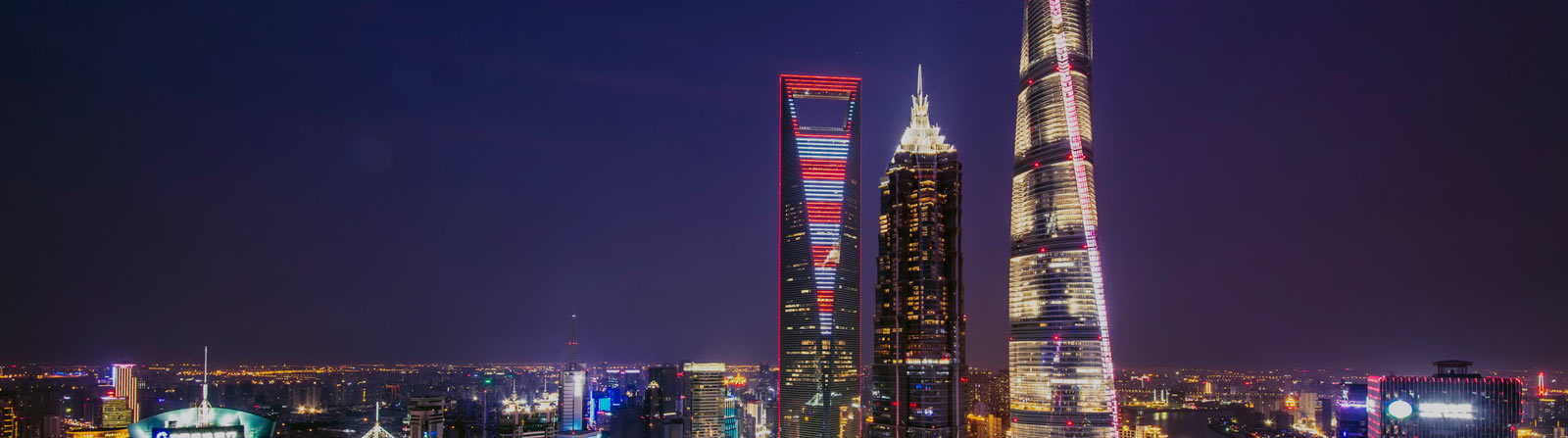
Selecting led neon flex for commercial lighting projects is more complex than choosing standard decorative lighting. Commercial environments demand consistent brightness, long operating hours, stable performance, and precise visual presentation. When the wrong product is selected, issues such as uneven illumination, color inconsistency, premature failure, and installation difficulty often appear.
One common problem is brightness inconsistency across long installations. In large retail lighting, facade lighting, and signage lighting projects, LED Neon Flex may run over extended distances. Without proper voltage selection and power planning, voltage drop can reduce brightness at the end of the strip. Electrical design principles show that higher voltage systems reduce current under the same power load, which helps maintain more stable output across longer runs.
Another issue is durability under continuous operation. Commercial lighting systems often run for 10 to 12 hours per day or longer. According to general LED industry data, LED products designed for commercial use are expected to reach a lifespan of over 30,000 hours under stable conditions. If materials and heat dissipation are not properly managed, performance degradation may occur much earlier.
Waterproof requirements also vary depending on the installation environment. Indoor commercial spaces such as retail stores and shopping malls may require lower IP ratings, while outdoor signage and architectural lighting demand higher protection levels to resist dust and moisture.
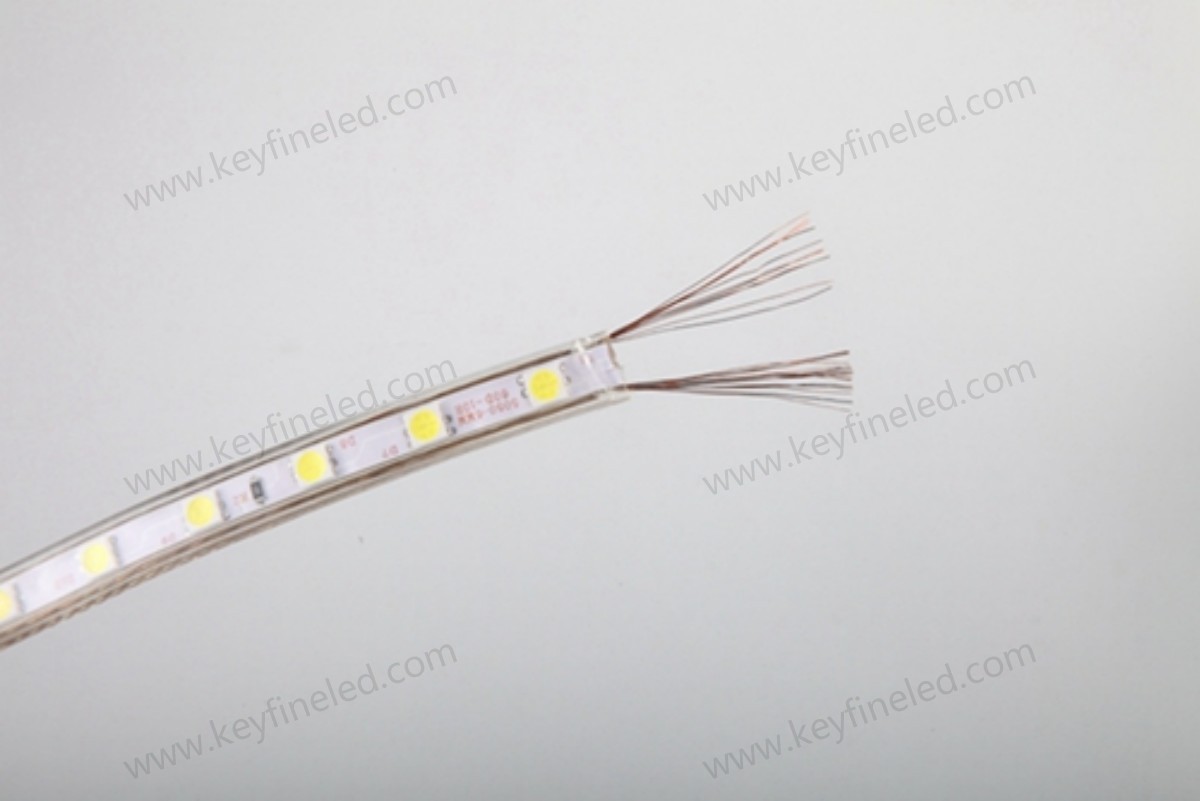
A reliable solution begins with selecting LED neon flex that matches both the visual design and technical requirements of the project. For most commercial lighting projects, 24V LED neon flex is recommended due to its better performance in long runs. It helps reduce voltage drop and ensures more uniform brightness, which is critical for continuous lighting lines in commercial spaces.
Material quality plays a key role in long-term performance. High-grade silicone housing provides better flexibility, light transmission, and resistance to environmental factors compared to lower-quality materials. In commercial lighting, maintaining consistent color and brightness across different batches is essential for brand image and visual presentation.
Proper power system design is equally important. The total wattage of the installation should be calculated accurately, and power supplies should not be operated at full capacity. Industry practice suggests maintaining a load level of around 80 percent of the rated capacity to ensure stable operation and reduce heat buildup.
Keyfine brings nearly 20 years of manufacturing experience in LED lighting products, including LED neon flex, led strip lights, and decorative lighting solutions. With integrated production, design, and quality control capabilities, Keyfine supports commercial lighting projects with stable supply, consistent product performance, and customization options that meet project specifications.
The first step is to define the application scenario. Commercial lighting projects include retail lighting, signage lighting, architectural lighting, and decorative lighting. Each application requires different brightness levels, color consistency, and installation flexibility. For example, signage lighting requires high brightness and clear visibility, while architectural lighting focuses on uniform lines and visual aesthetics.
The second step is selecting the appropriate voltage. For small indoor installations, 12V LED neon flex may be sufficient. For larger commercial lighting systems, 24V LED neon flex is more suitable because it provides stable performance over longer distances and reduces the risk of uneven brightness.
The third step is choosing the correct bending type. Top-bend LED neon flex is suitable for straight outlines and signage, while side-bend LED neon flex is ideal for curved designs and creative architectural shapes. Selecting the right bending direction improves installation efficiency and ensures the final lighting effect matches the design intent.
The fourth step is confirming waterproof requirements. Indoor commercial environments typically use lower IP ratings, while outdoor commercial lighting requires IP65 or IP67 waterproof LED neon flex. Choosing the correct protection level helps prevent damage caused by dust, moisture, and environmental exposure.
The fifth step is reviewing customization options. Commercial projects often require specific lengths, color temperatures, brightness levels, and packaging solutions. Keyfine provides OEM and ODM support for bulk orders, allowing specifications to be adjusted according to project requirements.
Selection Factor | Recommended Approach For Commercial Projects
Voltage | 24V LED neon flex for long runs
Waterproof Rating | IP20 for indoor, IP65 or IP67 for outdoor
Material | Silicone housing for durability and consistency
Bending Type | Match with straight or curved design requirements
Application | Align with retail lighting, signage lighting, or architectural lighting
Selecting the right LED neon flex for commercial lighting projects requires balancing technical performance and visual requirements. Voltage selection, material quality, waterproof protection, and installation planning all affect the final outcome of the project. For most commercial applications, 24V LED neon flex with stable performance and proper system design provides reliable results.
A well-planned lighting system ensures consistent brightness, reduces maintenance risk, and supports long-term operation. Keyfine supports commercial lighting projects with strong manufacturing capability, consistent quality control, and flexible customization options designed for large-scale applications.