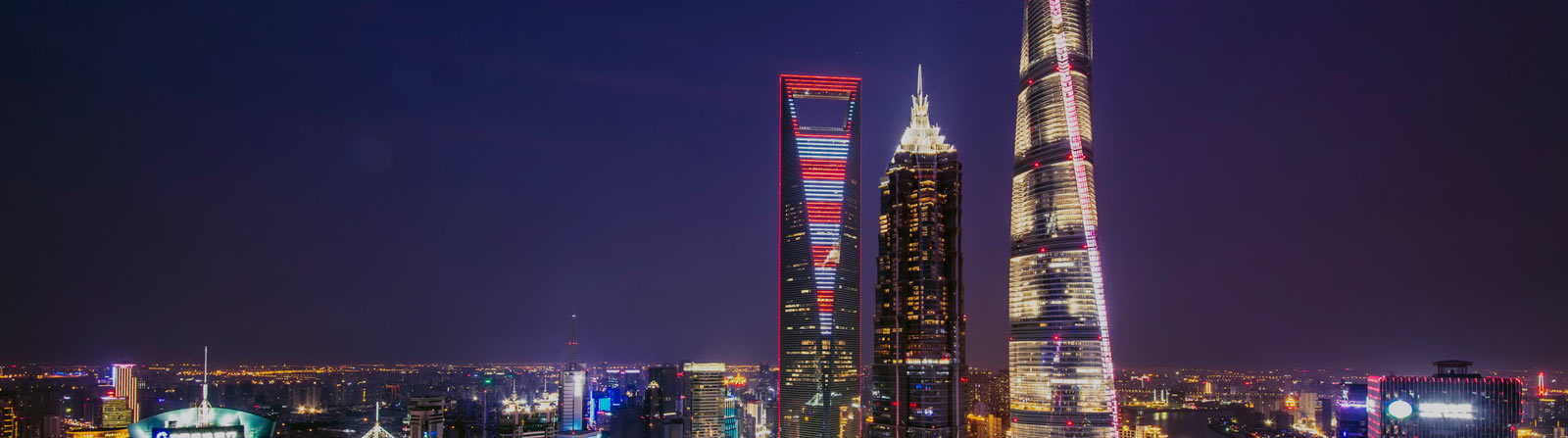
Choosing the right voltage is one of the most critical decisions in any large led neon light project. The challenge mainly comes from voltage drop. When power travels through long LED Neon Flex lines, the voltage gradually decreases, which leads to uneven brightness, color inconsistency, and reduced performance at the far end of the installation.
For short decorative lighting or small signage, 12V LED neon light can perform well due to its flexibility and ease of control. However, in large-scale commercial lighting or architectural lighting projects, longer installation distances increase resistance within the circuit. According to common electrical design principles, higher voltage systems reduce current under the same power load, which helps minimize voltage drop and improves overall lighting consistency.
In practical applications, this is why 24V LED neon light is widely used in large projects. It maintains more stable brightness across longer runs compared to 12V systems. Low-voltage systems such as 12V and 24V are also commonly adopted in lighting installations because they align with safety standards for public environments.
Voltage Option | Application Scenario | Key Advantage | Limitation
12V LED Neon Light | Small indoor signs | Easy cutting and flexible design | Higher voltage drop on long runs
24V LED Neon Light | Commercial and facade lighting | Better stability for long runs | Requires proper power planning
High Voltage Neon Light | Long outdoor linear lighting | Extended connection length | Higher safety requirements
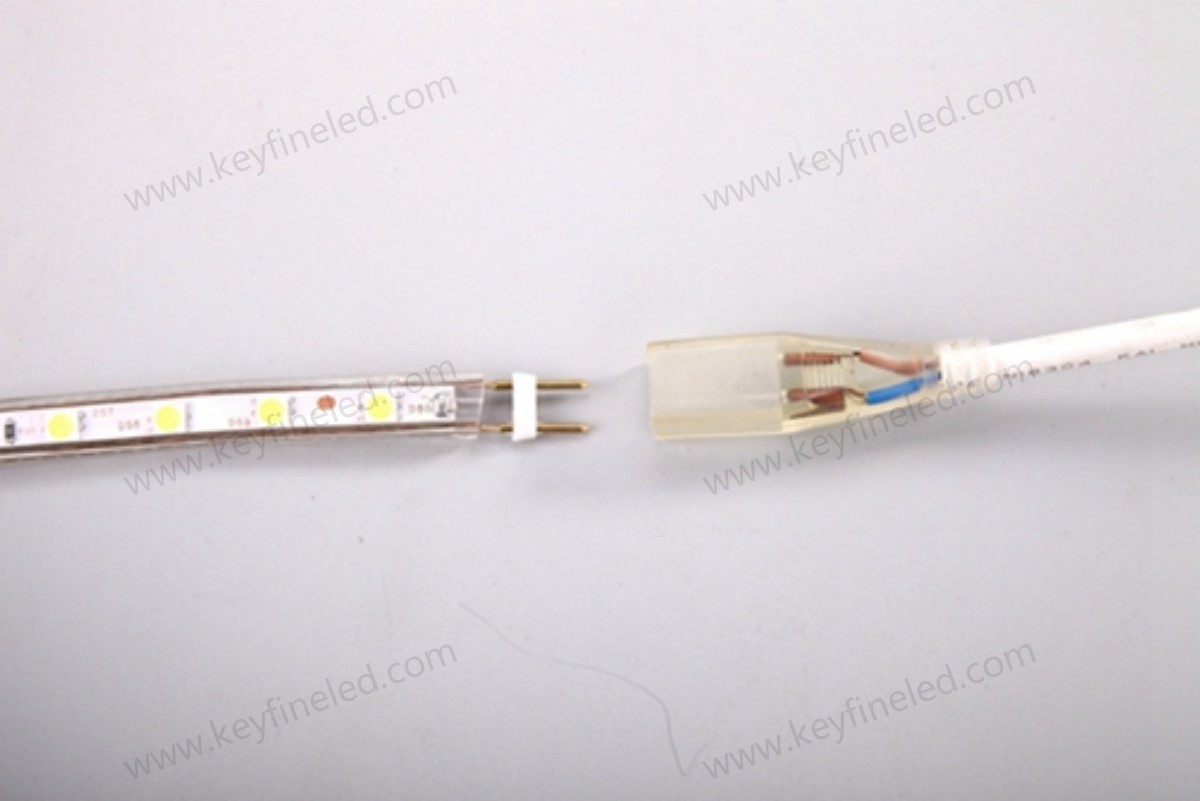
For most large LED neon light projects, 24V LED neon light is the recommended solution. It allows longer continuous runs while maintaining consistent brightness, which is essential for applications such as building outlines, retail lighting, signage, and large decorative installations.
Beyond selecting the correct voltage, proper system design is equally important. Power supply capacity must be calculated based on total wattage, and a safety margin should be included. Industry practices often suggest using power supplies at around 80 percent of their rated capacity to ensure stable performance and reduce overheating risk.
Waterproof protection is another key factor. IP65 is suitable for indoor environments with minor moisture exposure, while IP67 is commonly used for outdoor lighting applications where rain resistance is required. Incorrect waterproof selection can lead to failure during long-term operation.
Keyfine operates with integrated production, design, and development capabilities, supported by nearly 20 years of manufacturing experience. This allows the company to provide reliable LED neon flex solutions tailored to large-scale projects, ensuring stable supply, consistent quality, and accurate customization.
Selecting the right LED neon flex begins with understanding the project requirements. The first step is determining installation length. For short runs, 12V may be sufficient, but for longer commercial lighting systems, 24V LED neon light offers better performance and consistency.
The second step is identifying the application environment. Indoor decorative lighting, retail displays, and ceiling outlines require flexible and visually consistent lighting. Outdoor facade lighting, signage, and landscape projects demand waterproof LED neon flex with stable voltage and durable structure.
The third step is defining lighting effects and control requirements. Single-color LED neon light is easier to manage for long-distance installations, while RGB or dynamic lighting systems require additional planning for controllers and signal transmission.
Keyfine provides a wide range of LED neon flex products suitable for decorative lighting, architectural lighting, and commercial lighting projects. For wholesale supply and OEM or ODM customization, specifications such as voltage, color temperature, waterproof rating, and cutting length can be tailored to project requirements, helping ensure consistent performance in bulk orders.
Selection Factor | Recommended Approach
Voltage | 24V for large-scale lighting projects
Waterproof Rating | IP65 for indoor use, IP67 for outdoor applications
Power Supply | Maintain safety margin for stable operation
Application | Match product structure to project environment
Customization | Confirm specifications before mass production
The choice of voltage directly affects the performance and reliability of LED neon light in large projects. While 12V systems are suitable for smaller installations, 24V LED neon light is generally the better option for commercial lighting and architectural lighting due to its ability to reduce voltage drop and maintain brightness consistency over long distances.
A successful lighting project requires more than just product selection. It involves proper voltage planning, power management, waterproof design, and quality control throughout production. With strong manufacturing capability and project experience, Keyfine supports large-scale lighting applications with stable supply and customized solutions.
For projects involving signage lighting, facade lighting, or decorative lighting installations, selecting the right LED neon flex with the correct voltage is the key to achieving reliable and consistent results.