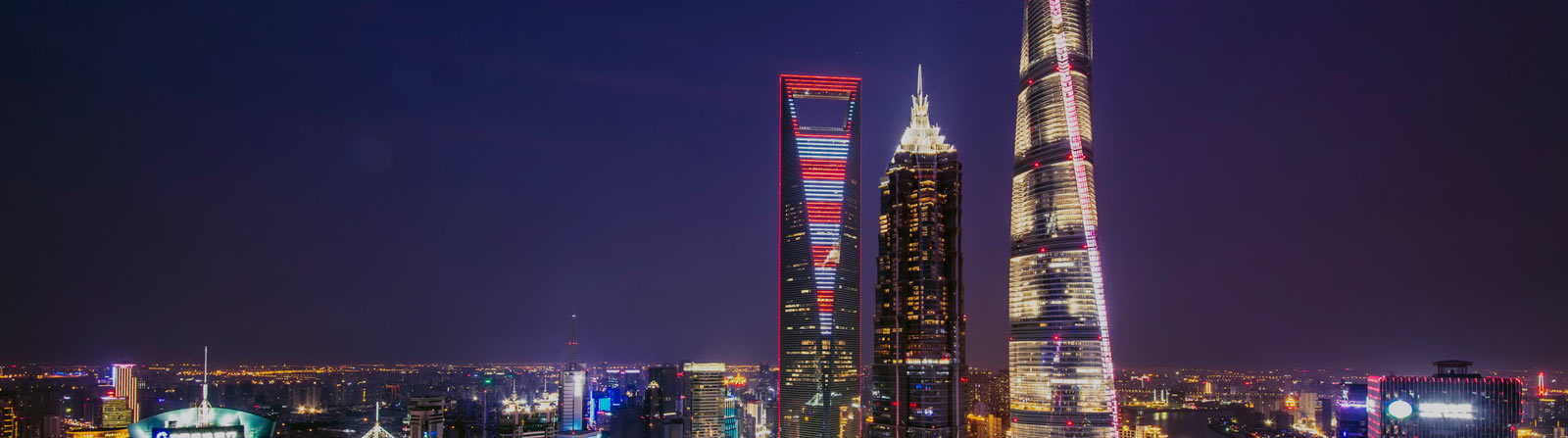
led neon lighting for landscape projects creates a stronger nighttime visual experience by adding continuous illumination to gardens, pathways, buildings, water features and outdoor structures. Compared with traditional point lighting, LED Neon Flex provides smoother lines, flexible shapes and more design freedom for landscape architects and commercial outdoor spaces.
Landscape lighting is widely used for aesthetics, safety, accessibility and outdoor experiences. Modern landscape projects increasingly combine LED technology, low-voltage systems and smart controls to improve efficiency and design flexibility.
A successful landscape lighting project starts with defining the purpose of the lighting.
Common applications include:
Building outlines and architectural edges
Garden pathways and landscape borders
Outdoor restaurants and hospitality areas
Pool surroundings
Decorative structures and signage
Public outdoor spaces
Different applications require different specifications. A pathway may focus on soft ambient lighting, while a building façade may require higher brightness, longer continuous runs and stronger weather protection.
KEYFINE Led Neon Flex Strip Lighting is designed for applications such as architectural decoration, outdoor signage and commercial landscape projects. The flexible structure allows designers to create smooth curves and continuous light lines.
View KEYFINE LED Neon Flex Strip Lighting
For outdoor landscape projects, voltage selection directly affects installation stability.
24V LED neon lighting is often preferred for longer installations because it reduces current compared with 12V systems under the same power output, helping reduce voltage drop across long runs.
Before production or installation, project specifications should confirm:
| Project Factor | Key Consideration |
|---|---|
| Voltage | 12V or 24V system design |
| Installation Area | Indoor, outdoor, wet or exposed environment |
| Bending Direction | Top bend or side bend requirement |
| Length | Continuous run and power injection points |
| Protection | Required waterproof level |
Outdoor lighting products should also match environmental conditions. IEC 60529 defines the IP rating system used to classify protection against dust and water intrusion.
For landscape applications exposed to rain, humidity or splashing water, selecting the correct waterproof structure is essential for long-term reliability.
Landscape projects often require customized dimensions, colors, connectors, packaging and installation accessories. Working directly with a manufacturer allows these requirements to be evaluated during product development instead of after shipment.
KEYFINE was founded in 2006 and operates two professional factories with an ISO9001 quality management system. The company integrates design, R&D, production and sales capabilities to support customized LED lighting solutions.
For OEM and ODM projects, the manufacturing process can include:
Material inspection
LED and PCB assembly
Soldering inspection
Silicone or PVC extrusion
Waterproof treatment
Electrical testing
Aging testing
Final quality inspection
This production control helps maintain brightness consistency, color stability and structural reliability across repeated landscape projects.
Before approving a landscape lighting project, specifications should include:
LED density and brightness requirements
Color temperature or RGB control
Power consumption per meter
Maximum installation length
Controller compatibility
Waterproof structure
Mounting accessories
Cable and connector design
For multi-location projects such as hotels, resorts and commercial developments, maintaining the same LED bin, color specification and production standard is important. Even small differences between batches can create visible inconsistencies across different areas.
LED lighting products used internationally should consider electrical safety, material compliance and destination-market regulations.
For European markets, RoHS requirements restrict hazardous substances in electrical and electronic equipment. Manufacturers should confirm compliant materials and production controls before shipment.
Outdoor LED systems should also consider responsible lighting design. Excessive or poorly directed outdoor lighting can contribute to light pollution, making proper brightness control and optical planning important in landscape applications.
Effective LED neon lighting for landscape projects requires more than selecting a flexible light source. Product structure, voltage design, waterproof protection, manufacturing consistency and installation planning all determine the final result.