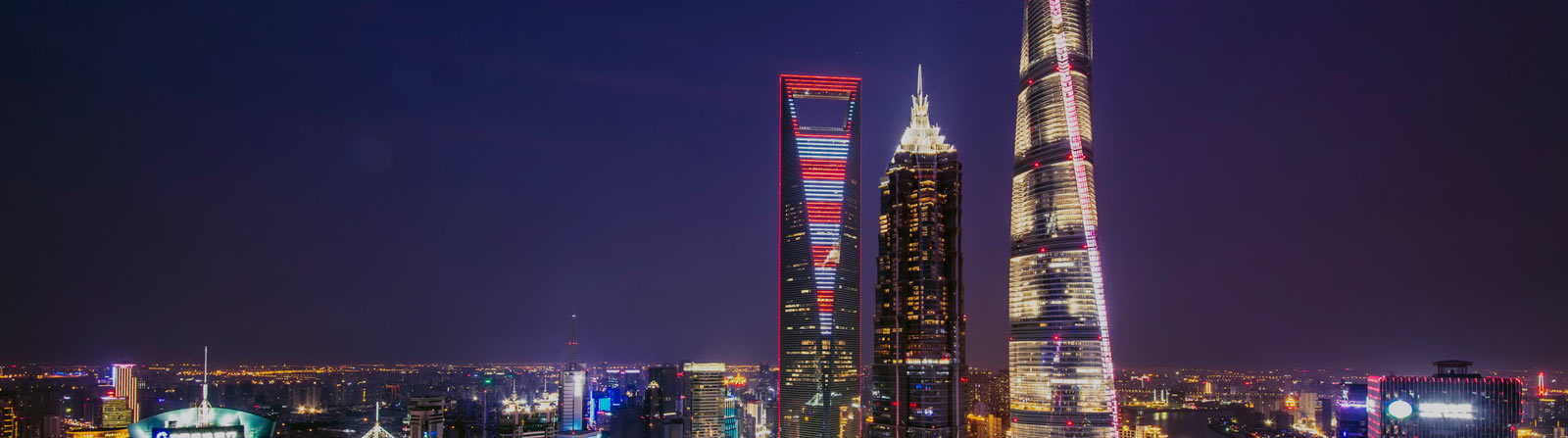
Designing led neon lighting for commercial spaces starts with more than selecting a color or shape. Retail stores, hotels, restaurants, entertainment venues and building façades require consistent brightness, correct voltage, controlLED bending, reliable power distribution and suitable environmental protection. From a manufacturing perspective, these specifications should be confirmed before production rather than adjusted after installation.
The first question is what the neon lighting needs to achieve. Storefront signs need visibility, retail interiors require controlled accent lighting, while architectural outlines often need longer continuous runs.
For commercial projects, we commonly evaluate:
Viewing distance and required brightness
Continuous run length
Color temperature or RGB effects
Top-bend or side-bend structure
Indoor or outdoor installation
Controller and dimming requirements
Maintenance access
Our LED Neon Flex Strip Lighting provides continuous, uniform light output and a flexible structure suitable for signage, building decoration, hotels, bars and other commercial environments.
View KEYFINE LED Neon Flex Strip Lighting
For longer commercial lighting lines, 24V LED neon flex is often preferable to 12V because the higher voltage reduces current for the same power and helps control voltage drop. KEYFINE’s commercial lighting guidance therefore recommends 24V for many extended runs.
Outdoor projects also require a suitable IP rating. IEC 60529 defines the international IP classification system used to evaluate enclosure protection against dust and liquid ingress. For exposed façades and signage, IP65 or IP67 configurations may be selected according to actual environmental conditions. KEYFINE supports these protection levels for commercial neon projects.
A trader can supply a standard product, but commercial projects frequently require changes in voltage, bending direction, cutting length, color, waterproof structure, connectors and packaging.
Founded in 2006, KEYFINE operates two professional factories and states that its quality assurance system follows ISO9001 standards. Our OEM and ODM process can cover specification review, prototype development, sample confirmation, material preparation, production and final inspection.
Manufacturing typically includes material inspection, PCB and LED assembly, soldering, silicone or PVC extrusion, waterproof treatment, electrical testing, aging tests and final packing.
Before approving bulk production, buyers should confirm the following:
Voltage → wattage → run length → bending direction → IP rating → color consistency → controller → installation accessories → packaging
Batch consistency is particularly important for branded spaces. Color deviation between production lots can make separate sections of the same store or façade visibly different, so approved samples and defined color specifications should be retained for repeat orders.
Export requirements should also be checked according to the destination market. Material restrictions, electrical safety, labeling and applicable CE, RoHS or UL requirements should be confirmed before mass production rather than treated as a final shipping task.
Good commercial Led Neon Lighting design combines visual planning with electrical engineering and manufacturing control. When voltage, materials, bending structure, waterproofing and installation are specified early, the finished system is easier to install, maintain and reproduce across multiple locations.