Selecting the correct bending type is a key factor in led neon flex performance, especially for signage lighting, architectural lighting, and decorative projects. Many installation issues occur because the bending direction does not match the design layout. When the wrong type is selected, the LED Neon Flex may twist, lose shape, create uneven light lines, or even crack during installation.
LED neon flex is designed to bend in a specific direction. The two main types are top-bend and side-bend. Top-bend LED neon flex bends vertically, while side-bend LED neon flex bends horizontally. This difference directly affects how the light line follows a surface or shape.
The problem usually happens when designers or installers focus only on appearance and ignore structural direction. For example, using top-bend LED neon flex for curved letters may cause stress on the product, leading to uneven light output. Proper selection is necessary to ensure smooth curves, consistent brightness, and long-term durability.
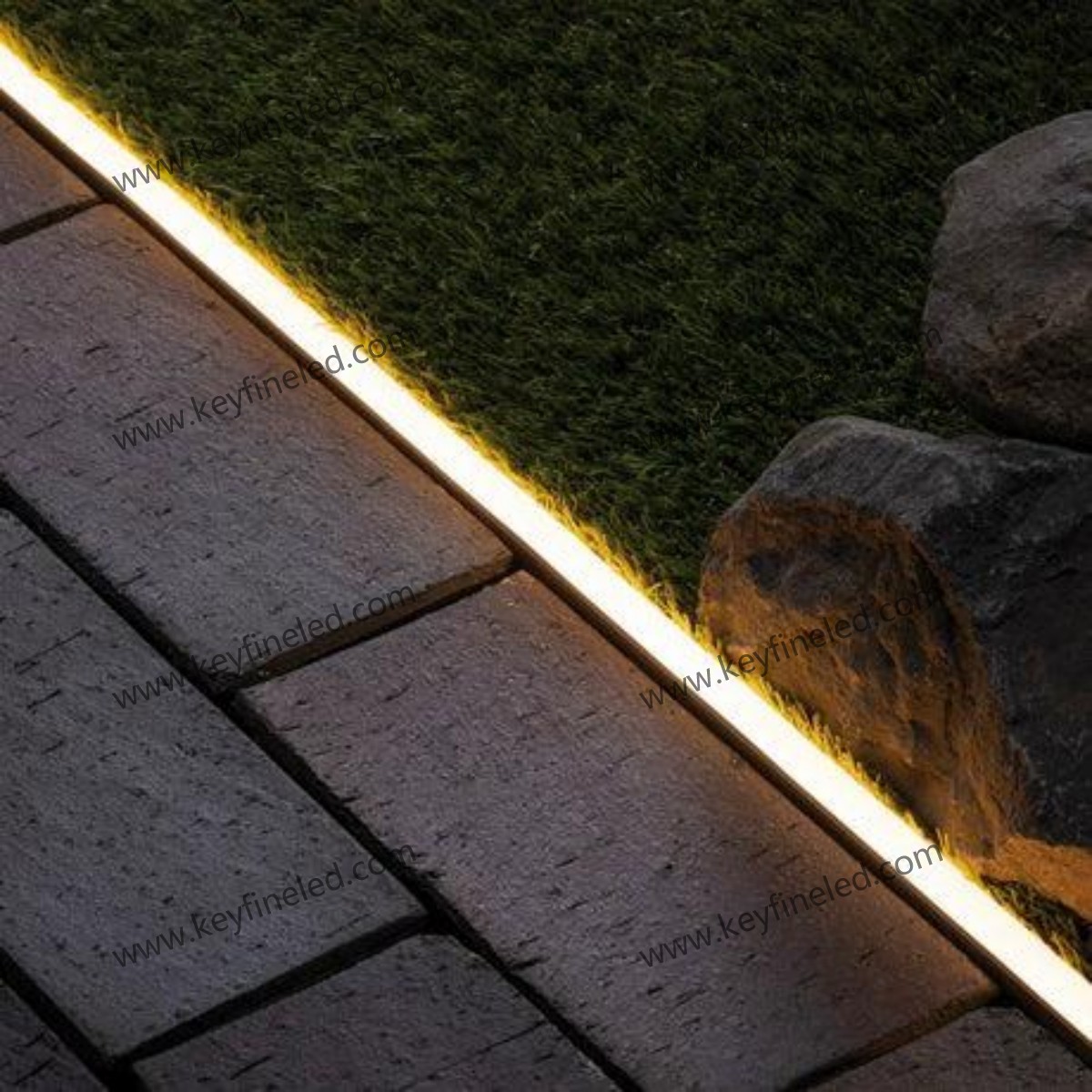
The solution is to match bending type with the design structure before production. For straight lines, wall edges, building outlines, and signage borders, top-bend LED neon flex is often more suitable. It allows smooth vertical curves and maintains clean linear lighting along flat surfaces.
For curved shapes, letters, logos, and creative lighting patterns, side-bend LED neon flex is usually the better choice. It follows horizontal curves more naturally and reduces installation stress. This improves visual consistency and reduces the risk of damage during installation.
Material flexibility also affects bending performance. High-quality silicone housing allows better bending stability and light diffusion. Poor materials may resist bending or create visible distortion in the light line. In architectural lighting and signage lighting, maintaining smooth curves is essential for visual quality.
Keyfine has nearly 20 years of LED lighting manufacturing experience, covering LED neon flex, led strip lights, rainbow tubes, and decorative lighting products. With integrated production, design, and quality control, Keyfine supports bending type selection, cutting length, voltage matching, and customized solutions for different project requirements.
The first step is to analyze the design layout. Straight outlines, wall edges, and linear architectural elements should use top-bend LED neon flex. Curved letters, logos, and artistic shapes should use side-bend LED neon flex to ensure smooth curves.
The second step is to consider installation direction. If the LED neon flex needs to bend along the front face, top-bend is suitable. If the bending direction follows horizontal curves, side-bend is required. Choosing the wrong direction may cause installation difficulty and uneven lighting.
The third step is to check the application environment. For outdoor projects, waterproof LED neon flex with proper bending structure is necessary. According to IEC 60529, IP65 protects against dust and water jets, while IP67 provides stronger protection against temporary immersion under defined test conditions.
The fourth step is to combine bending type with voltage selection. For short decorative designs, 12V LED neon flex may be used. For long runs in commercial lighting or architectural lighting, 24V LED neon flex is more stable because it reduces voltage drop and maintains consistent brightness.
Selection Factor | Recommended Choice
Straight lines | Top-bend LED neon flex
Curved shapes | Side-bend LED neon flex
Outdoor use | Waterproof LED neon flex with proper IP rating
Long installations | 24V LED neon flex
Complex design | Confirm bending direction before production
Keyfine provides LED neon flex solutions for signage lighting, architectural lighting, commercial lighting, and decorative projects. For OEM/ODM customization, bending direction, voltage, color temperature, waterproof rating, cutting length, and packaging can be matched according to project needs.
Choosing the correct bending type LED neon flex is essential for achieving smooth lighting lines and reliable installation. Top-bend LED neon flex is suitable for straight outlines and vertical curves, while side-bend LED neon flex is designed for horizontal curves and creative shapes.
A successful lighting project should consider bending direction, installation layout, voltage, waterproof protection, and long-term durability. Keyfine supports LED neon flex projects with manufacturing experience, customized solutions, and stable supply for large-scale commercial and architectural applications.